



BLOG
PVC Sheet–Faced Composite Interior Doors

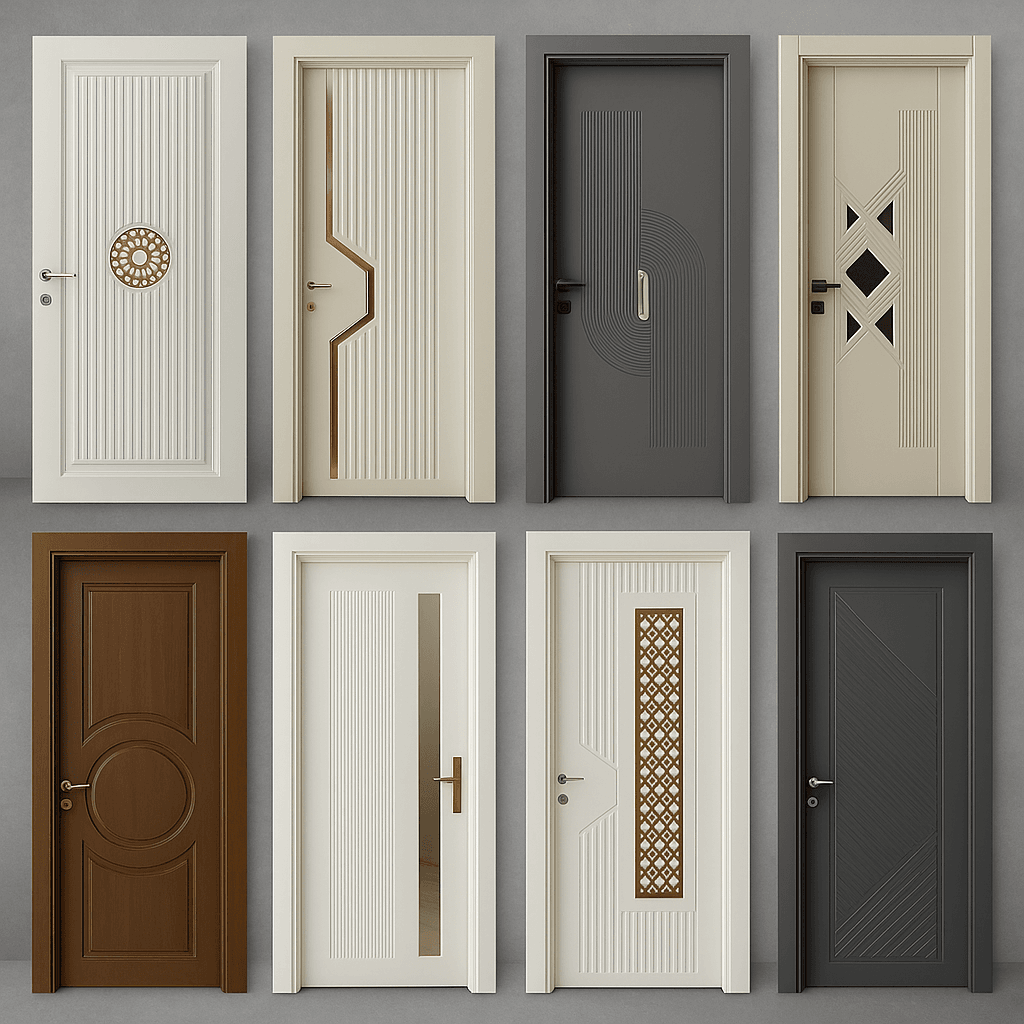
PVC Sheet–Faced Composite Interior Doors: Durability, Aesthetics & Efficient Production
PVC sheet–faced composite interior doors combine moisture resistance, impact durability, rich design options and easy maintenance in a single structure. When PVC/WPC/ABS sheets are shaped using the thermoforming method, the resulting panels deliver long lifespan and consistent quality for both residential and commercial projects.
Why PVC Sheets Are Preferred in Composite Interior Doors
✔ Moisture & water resistance
Ideal for bathrooms and humid interior spaces—no swelling or warping.
✔ A wide variety of textures and colors
Woodgrain, matte, glossy, soft-touch and solid-color options.
✔ Mechanical durability
Strong resistance against daily impacts and micro-scratches.
✔ Easy maintenance
Non-porous surface; wipes clean with a damp cloth.
✔ Thermal & acoustic comfort
PVC sheet layers contribute to insulation performance.
✔ Production efficiency
Easy to cut, drill and shape; offers predictable and repeatable results.
Structure of a Composite Interior Door
A composite interior door typically consists of:
- A structural core (WPC/PVC-based composites, honeycomb or foam inserts)
- PVC sheet surface layers
This combination provides:
- Enhanced durability
- Balanced weight for easier installation
- Freedom in aesthetics and surface styling
Thermoforming: The Preferred Method for Shaping Door Panels
Thermoforming is the controlled process of heating PVC/WPC/ABS sheets and shaping them over a mold using vacuum and pressure. CNC-machined MDF or aluminum molds are used to achieve sharp, clean details.
Process Overview
- The door model is prepared as a CNC-cut mold.
- PVC/WPC/ABS sheet is placed on the mold.
- Multi-zone heating softens the material.
- Vacuum draws the sheet tightly into all contours.
- Cooling and trimming prepare the part for assembly.
Makser DoorFormer Thermoform Machine delivers repeatable results with:
- Clean, sharp lines
- Uniform surfaces
- Efficient recipe/parameter management
Material & Thickness Notes
✔ PVC / WPC sheets (PVC-based composites)
Commonly used for door faces; typical thickness: 1–3 mm
✔ ABS sheets
Preferred where high impact resistance is required.
These materials can be supplied pre-foiled, printed, or plain depending on the design needs.
Where Are PVC Composite Interior Doors Used?
- Bathrooms, kitchens and moisture-prone areas
- High-traffic living or working spaces
- Hotels, offices, schools, hospitals
- Decorative interior doors (classic or modern textured designs)
Maintenance Tips
- Daily cleaning with a soft damp cloth is sufficient
- Avoid abrasive chemicals
- Ensure proper hinge/lock installation to maintain surface stability
- Use removable accessories to prevent accidental surface damage
Frequently Asked Questions (FAQ)
Do PVC composite interior doors absorb moisture?
No—when produced and installed correctly, they are highly moisture-resistant and ideal for wet interiors.
Do the surfaces scratch easily?
They offer strong scratch resistance in normal daily use and are easy to maintain.
Can I choose custom patterns?
Yes. With CNC-machined molds, both modern and classical designs are possible with a wide range of colors and textures.